12 articles
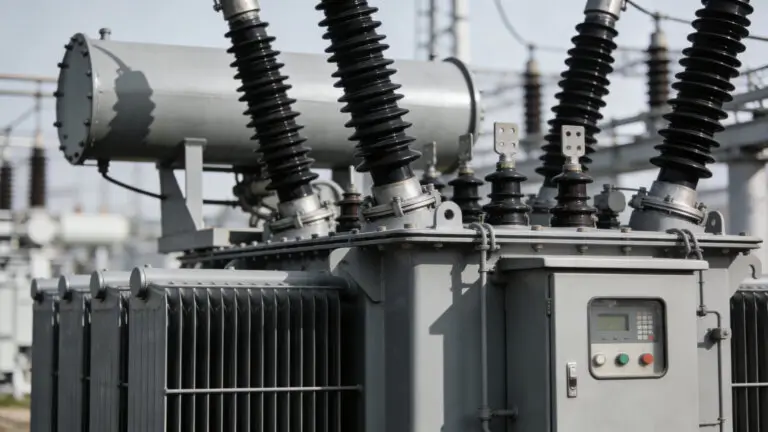
How on-load tap changers regulate transformer voltage under load: the turns ratio, the two-stage switching sequence, resistor, reactor and vacuum transition elements, and what the mechanism means for maintenance and condition monitoring.
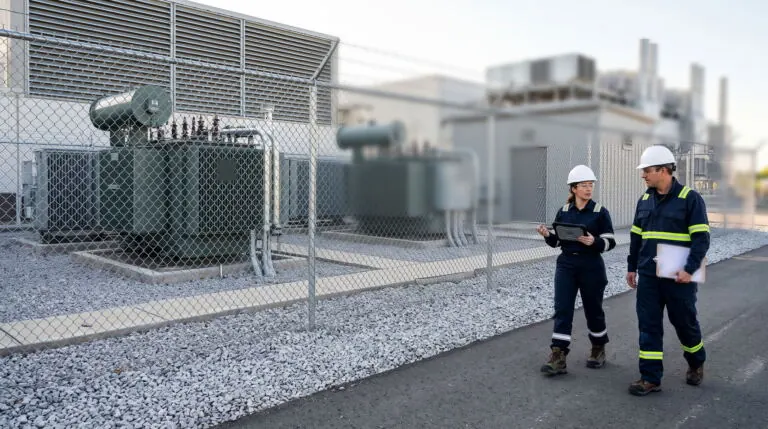
As AI data centres deploy hundreds of medium-voltage transformers, electrical protection has shifted from a substation specialty to mission-critical infrastructure design. Explore the complete transformer protection stack and the engineering mechanics of the 87T differential relay.
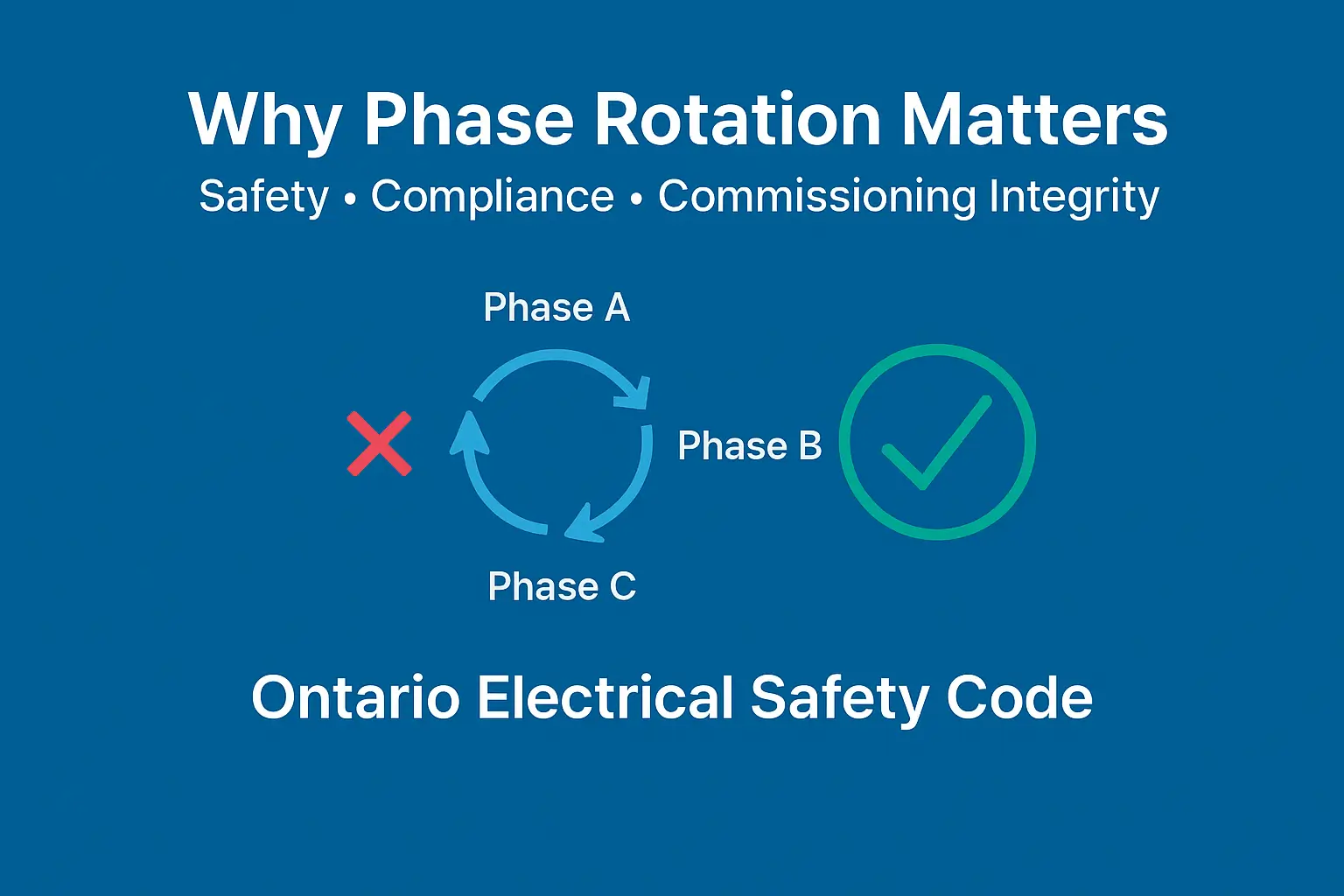
A technical white paper on phase rotation in three-phase systems in Ontario: the principles, a risk hierarchy of equipment, the OESC provisions that apply, a five-part field verification process, and the economic and legal stakes.
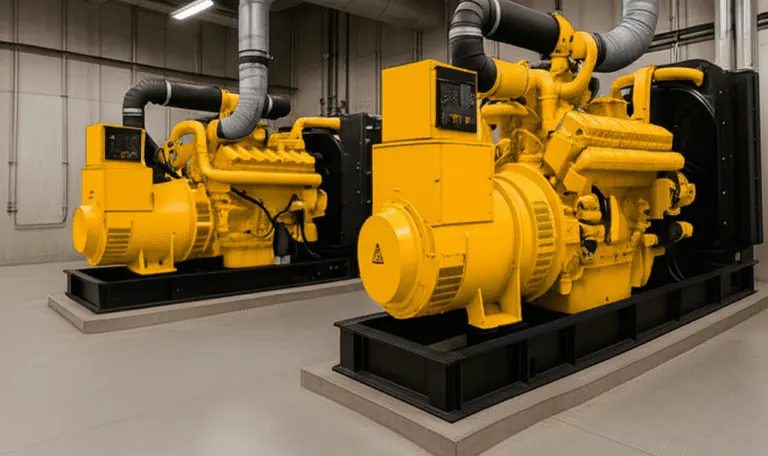
How a generator works, kW vs kVA, the difference between standby, prime and continuous duty ratings, derating for temperature and altitude, and how to select a generator.
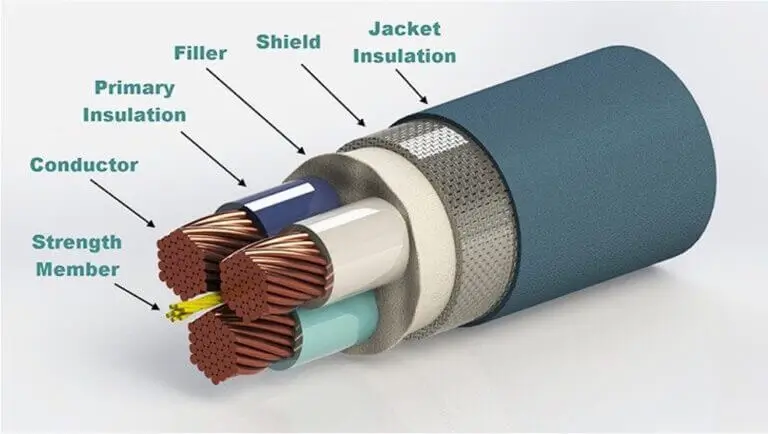
Copper and aluminum conductors compared, and the common electrical conductor types by insulation, configuration, environmental rating and ampacity, with typical applications for each.
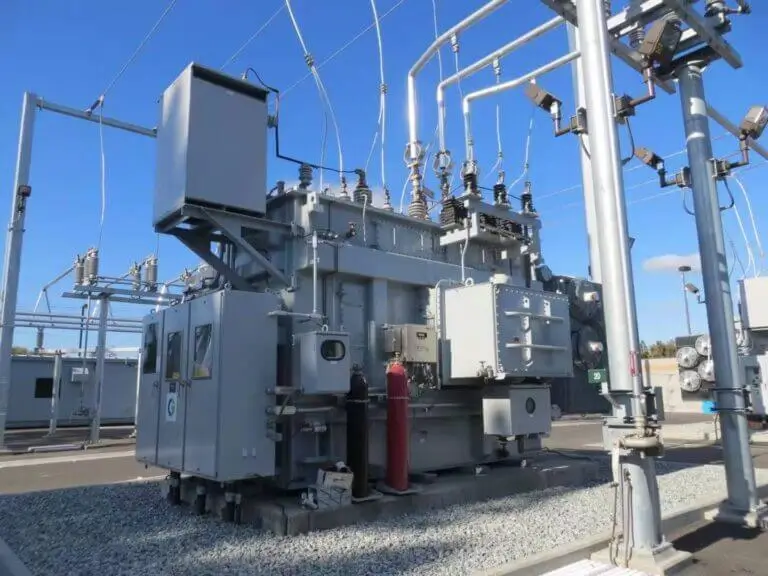
How transformers work, the turns ratio and efficiency, the main types by voltage level and insulation medium, and their applications from power generation to buildings.
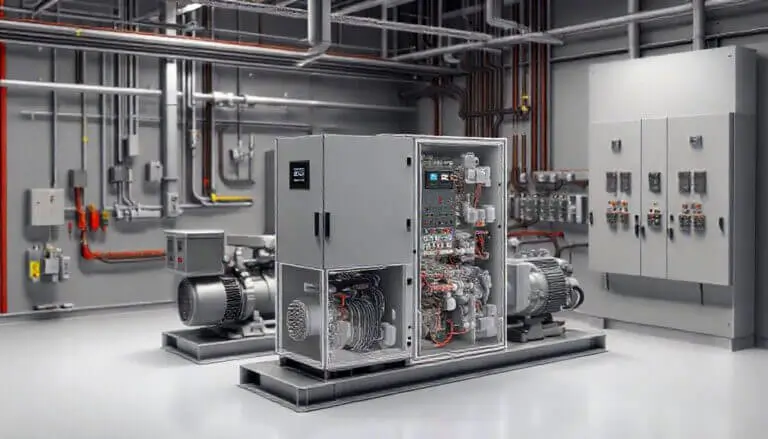
Manual, automatic, breaker pair and static transfer switches: how each works, open, closed and delayed transition, SCR and IGBT switching, what IT loads need, and how to design and maintain them.

The goals of an electrical system, the hierarchy of protection, the abnormal conditions it guards against, and the protection devices that keep data centres and hospitals safe and running.

Why grounding matters even when a system seems to run without it, how grounding differs from bonding under the Canadian Electrical Code, what equipment grounding does, and the common mistakes that leave a system unsafe.
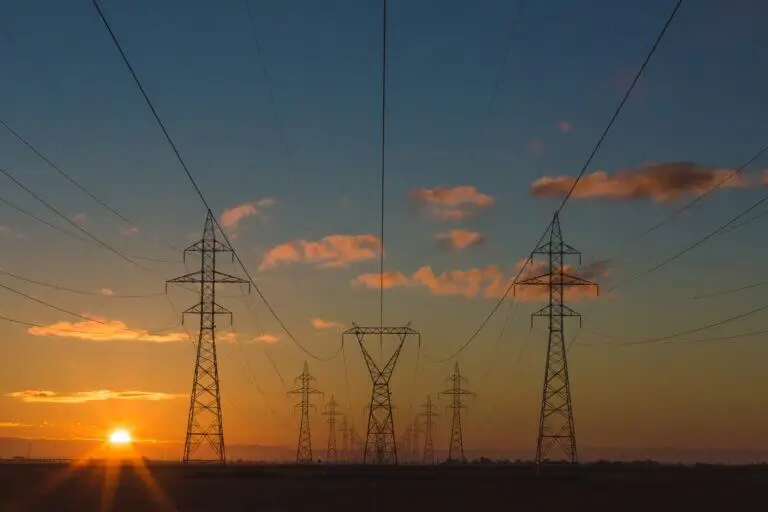
What nominal voltage, rated voltage and voltage class mean, the standard LV, MV, HV and EHV classifications, and how the NEC, the Canadian Electrical Code and IEC Europe draw the lines differently.
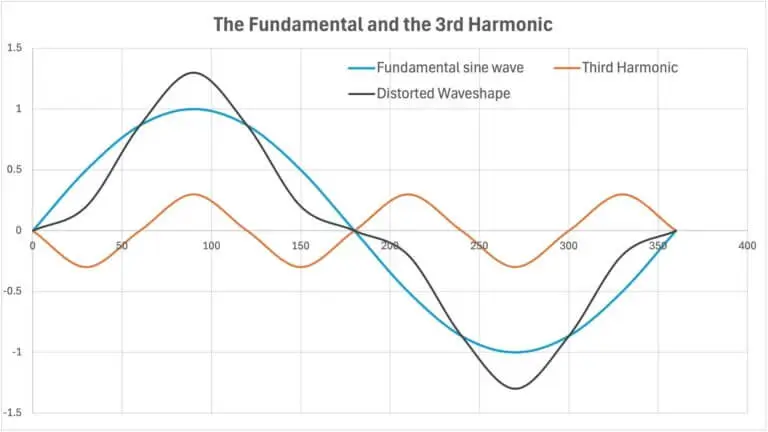
What electrical harmonics are, where they come from, how a current problem becomes a voltage problem, what they do to equipment, why the 3rd harmonic overloads neutrals, and how to mitigate them.
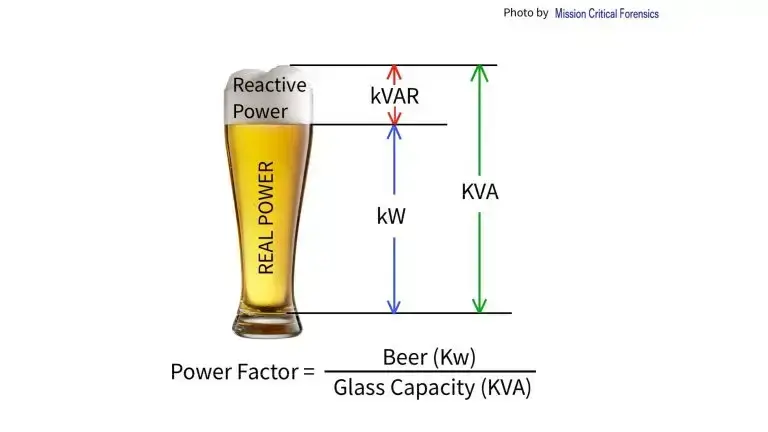
Power factor explained with a beer jar: what active, reactive and apparent power are, how power factor is calculated, and why a low power factor means higher losses, higher bills and utility penalties.
Tell us about your project, and we will come back to you.

We use necessary cookies to operate the site. With your consent, we use Google Analytics to understand how pages are used. We do not use advertising cookies.
NecessaryRemembers your choice and protects our forms.Always on