Insights from Mission Critical Engineers on data centre commissioning, power systems and mission-critical electrical engineering.

How transformers work, the turns ratio and efficiency, the main types by voltage level and insulation medium, and their applications from power generation to buildings.

What power quality is, the key terms, the five most common issues (voltage sags and swells, harmonic distortion, transients, voltage unbalance and poor power factor), how to solve each, and how monitoring catches problems before they cause failures.
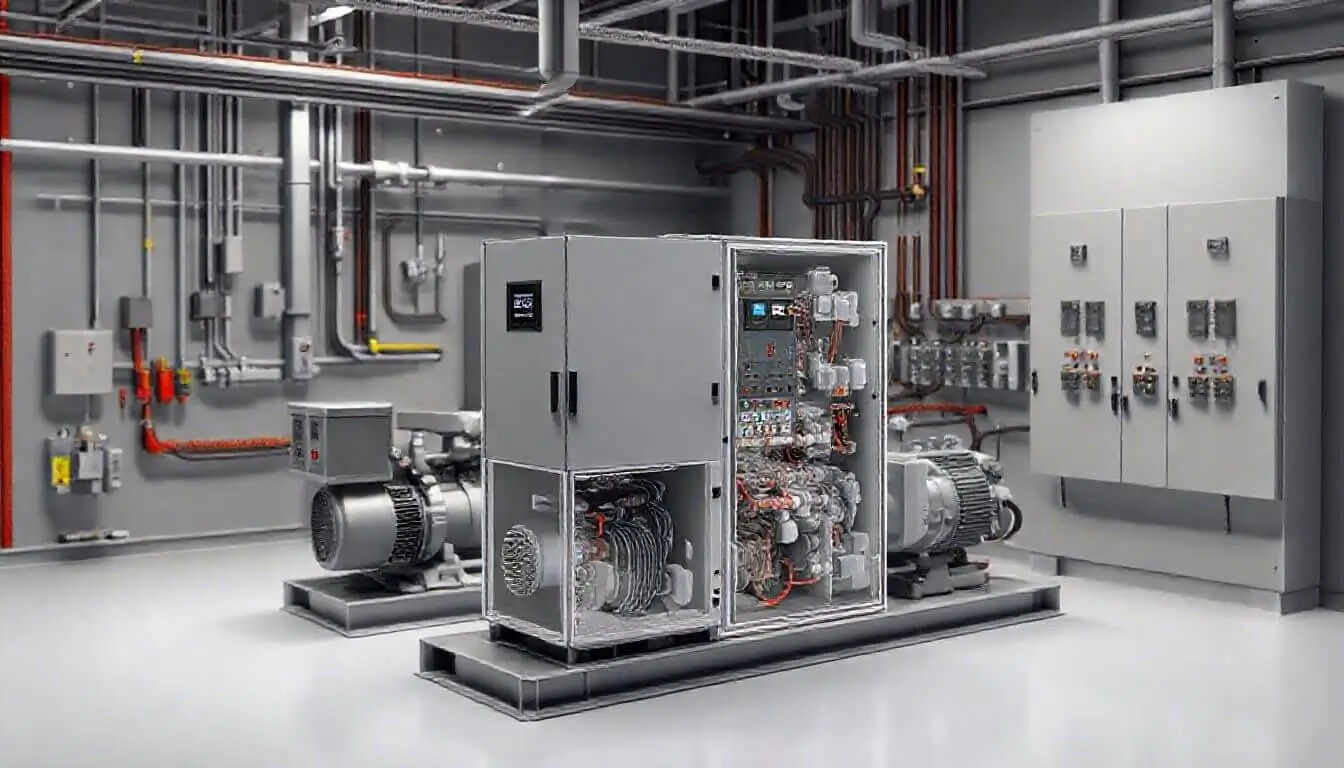
Manual, automatic, breaker pair and static transfer switches: how each works, open, closed and delayed transition, SCR and IGBT switching, what IT loads need, and how to design and maintain them.
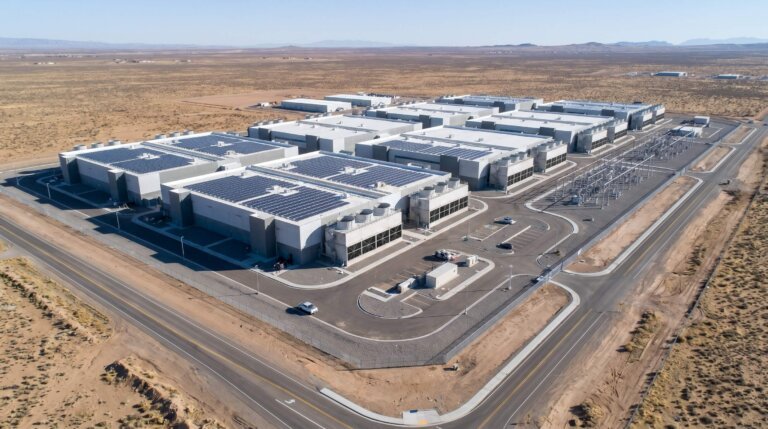
The goals of an electrical system, the hierarchy of protection, the abnormal conditions it guards against, and the protection devices that keep data centres and hospitals safe and running.

Why grounding matters even when a system seems to run without it, how grounding differs from bonding under the Canadian Electrical Code, what equipment grounding does, and the common mistakes that leave a system unsafe.

What nominal voltage, rated voltage and voltage class mean, the standard LV, MV, HV and EHV classifications, and how the NEC, the Canadian Electrical Code and IEC Europe draw the lines differently.
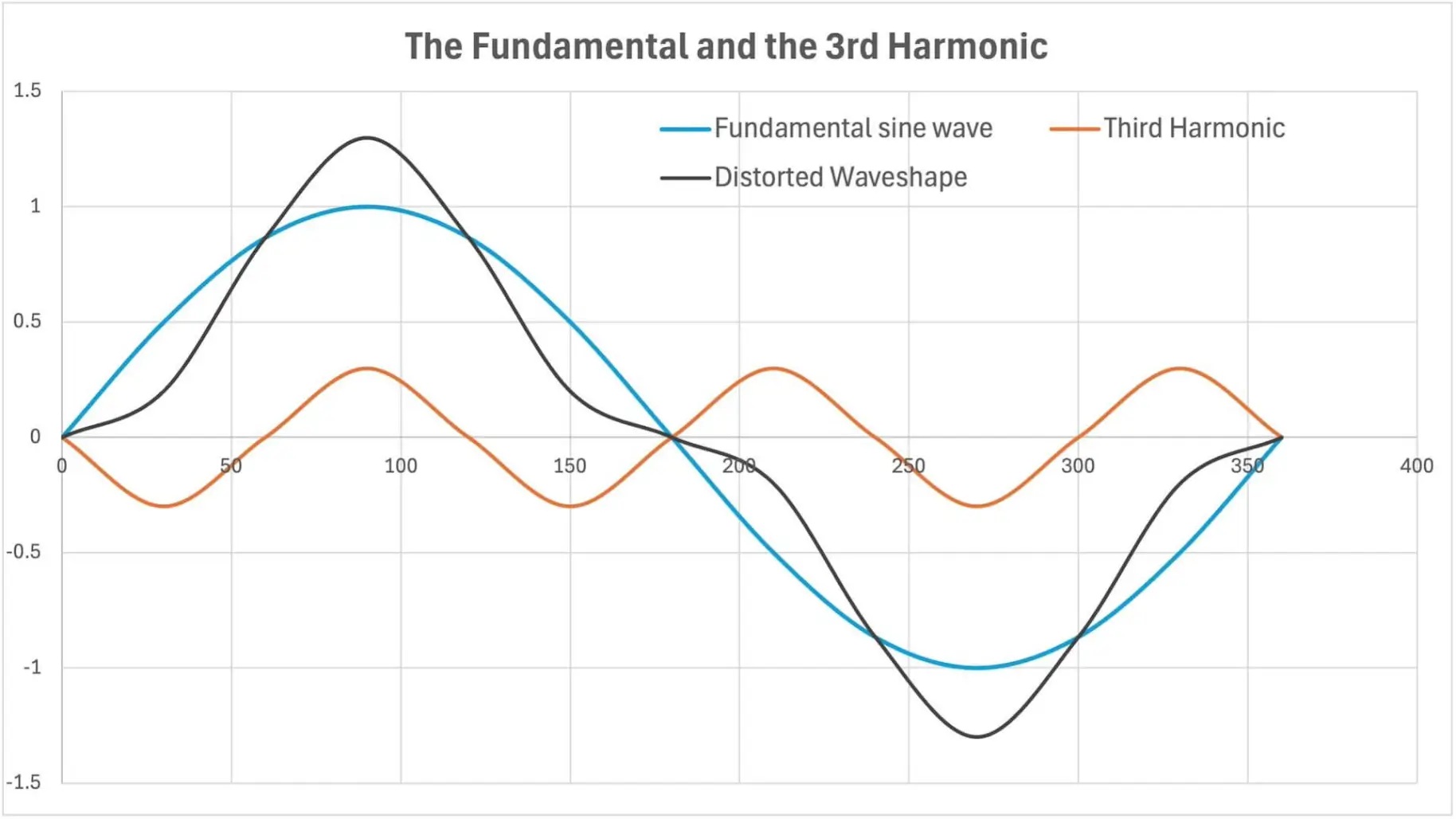
What electrical harmonics are, where they come from, how a current problem becomes a voltage problem, what they do to equipment, why the 3rd harmonic overloads neutrals, and how to mitigate them.

Power factor explained with a beer jar: what active, reactive and apparent power are, how power factor is calculated, and why a low power factor means higher losses, higher bills and utility penalties.
Tell us about your project, and we will come back to you.
