13 articles
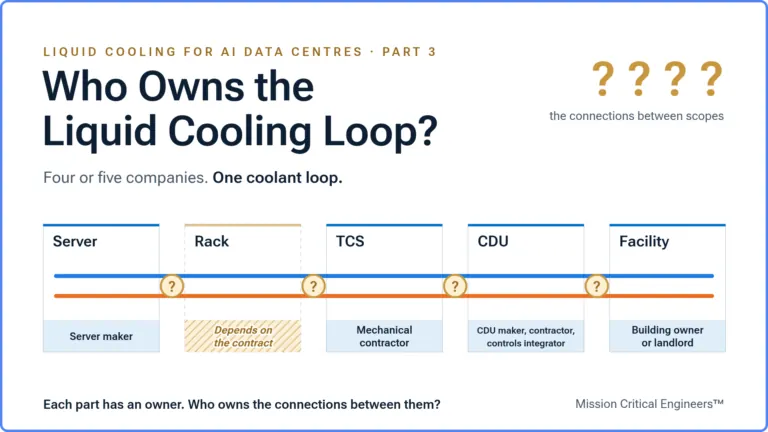
A direct-to-chip cooling loop is built in stages by four or five companies, from design to the day the racks are connected. Who does what, where one company hands over to the next, and where responsibility tends to fall through.
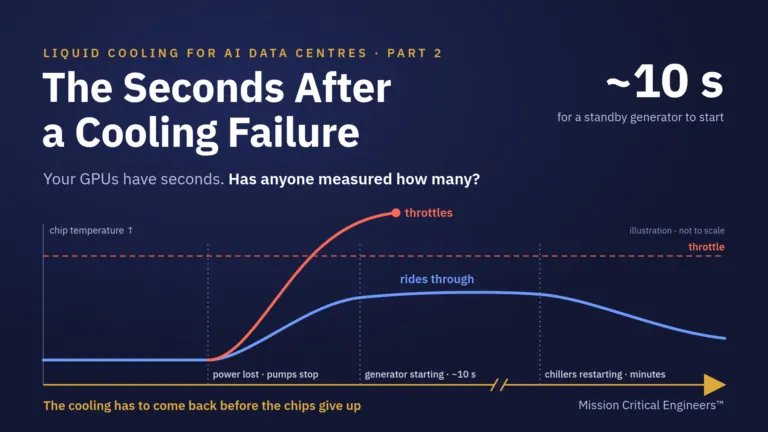
When a coolant pump or CDU stops, the GPUs in a direct-to-chip liquid-cooled AI data centre have seconds. How the loop works, why it loses cooling in ways an air-cooled room never did, and what ride-through has to prove.
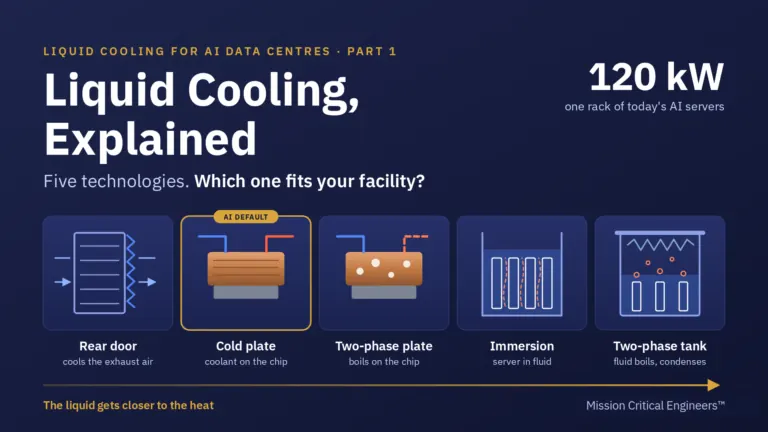
Five liquid cooling technologies for AI data centres: rear doors, single- and two-phase cold plates, single- and two-phase immersion. What each is, where it fits, and what commissioning must prove before the first rack depends on it.
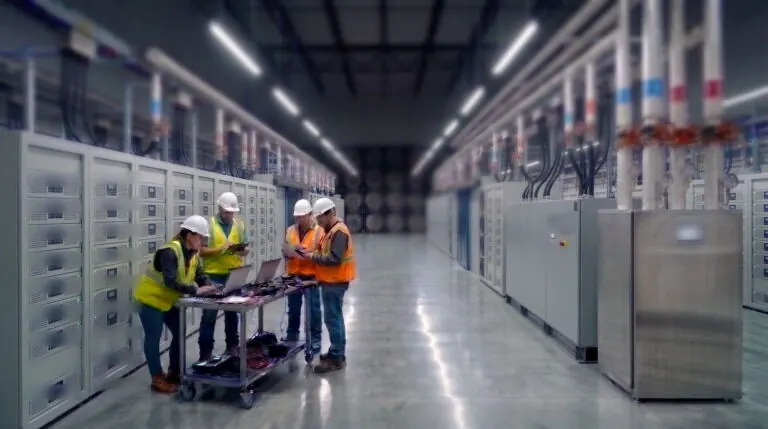
Six load bank testing problems that derail data centre commissioning — generator tests that prove nothing, cooling validation that misses hot spots, and an IST deadline nobody is protecting. If two feel familiar, let's talk.
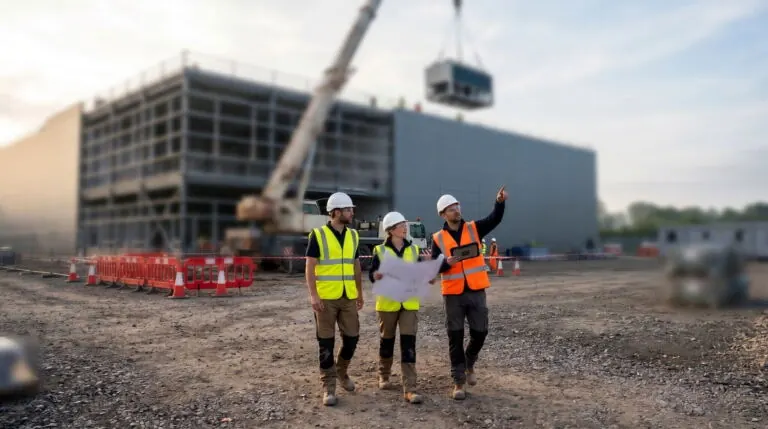
Vendor start-up proves each piece of equipment in isolation. An independent commissioning authority proves the facility works as one integrated system, and checks what self-witnessed IST scripts miss.
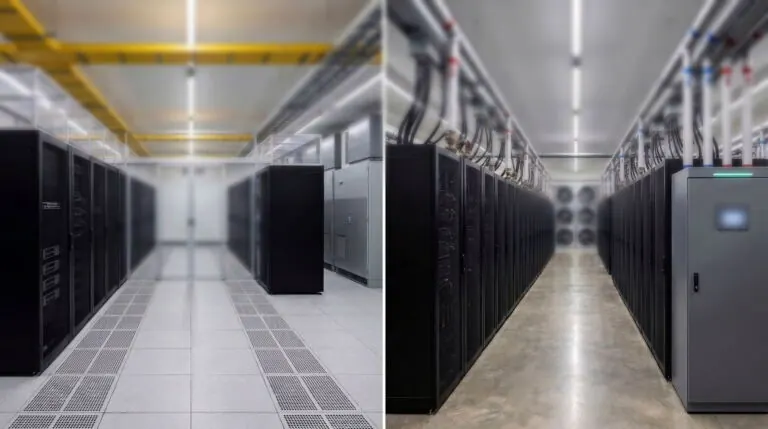
AI-ready is not a certification. It is a set of thresholds across five systems (power density, structural load, cooling, network and fiber density, and monitoring), and an assessment shows which of them have headroom before any capital is committed.
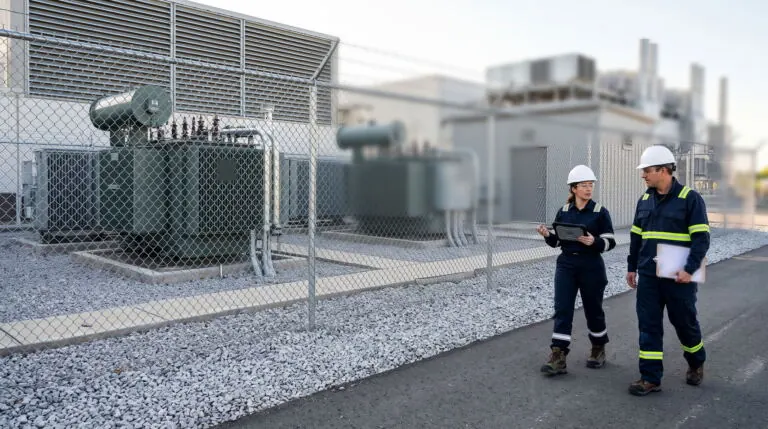
As AI data centres deploy hundreds of medium-voltage transformers, electrical protection has shifted from a substation specialty to mission-critical infrastructure design. Explore the complete transformer protection stack and the engineering mechanics of the 87T differential relay.
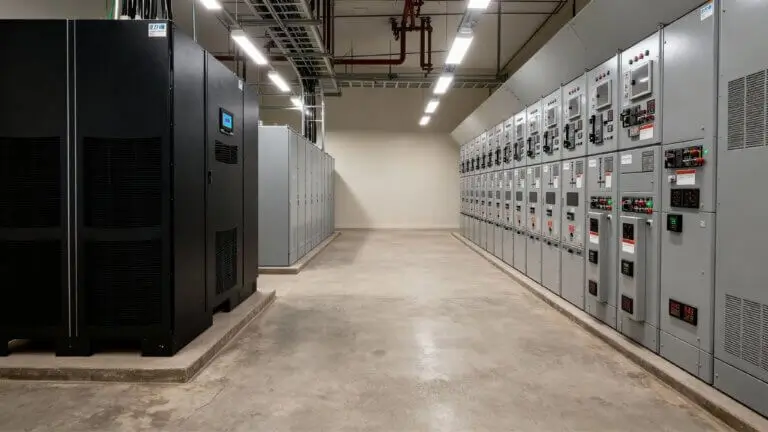
How a UPS bridges the gap to backup power, how a double-conversion UPS behaves in online, battery and bypass mode, and how static, flywheel, hybrid and DRUPS architectures compare.
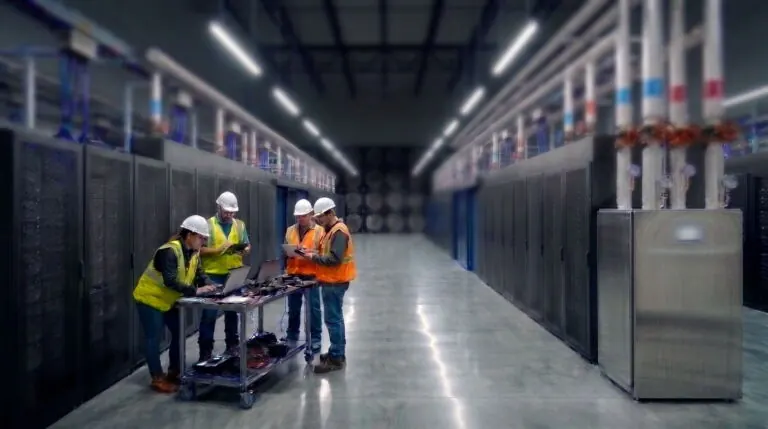
Racks drawing 50kW, 70kW or more introduce failure points that standard assessments can't account for. Three questions on cooling, power distribution and heat rejection to answer before you scale a high-density GPU deployment.
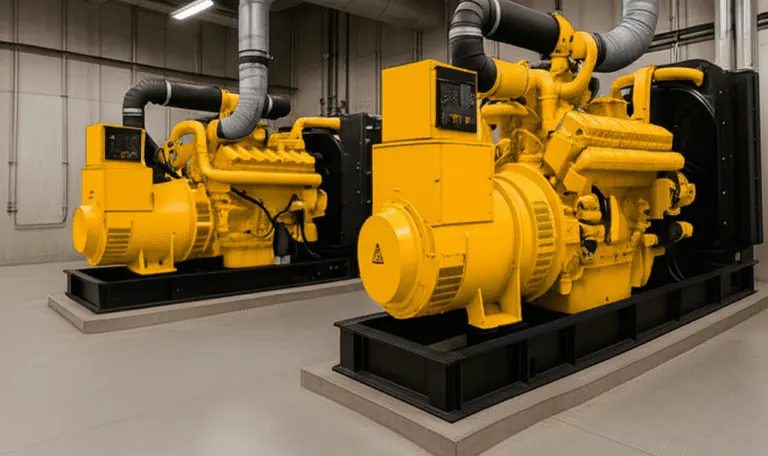
How a generator works, kW vs kVA, the difference between standby, prime and continuous duty ratings, derating for temperature and altitude, and how to select a generator.
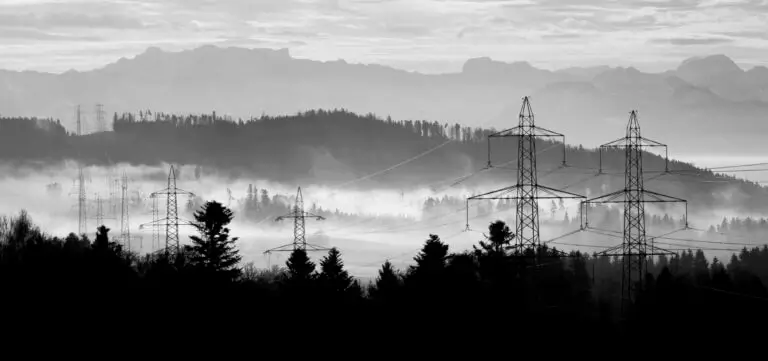
What power quality is, the key terms, the five most common issues (voltage sags and swells, harmonic distortion, transients, voltage unbalance and poor power factor), how to solve each, and how monitoring catches problems before they cause failures.
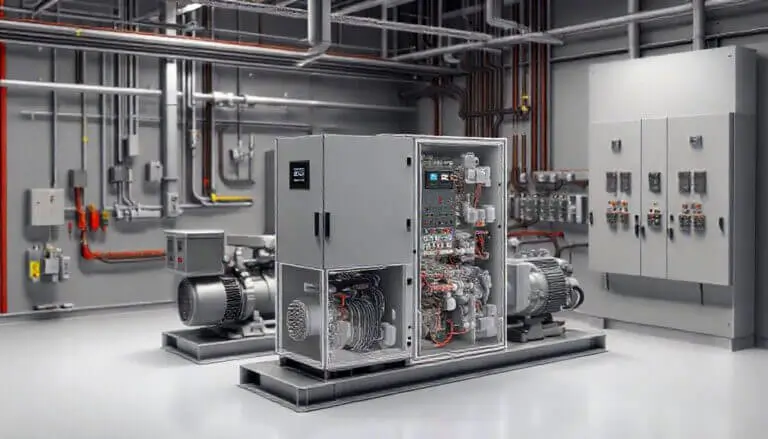
Manual, automatic, breaker pair and static transfer switches: how each works, open, closed and delayed transition, SCR and IGBT switching, what IT loads need, and how to design and maintain them.
Tell us about your project, and we will come back to you.

We use necessary cookies to operate the site. With your consent, we use Google Analytics to understand how pages are used. We do not use advertising cookies.
NecessaryRemembers your choice and protects our forms.Always on